

Older homes
Hot lime pointing: why Cumbria's older stone homes need it
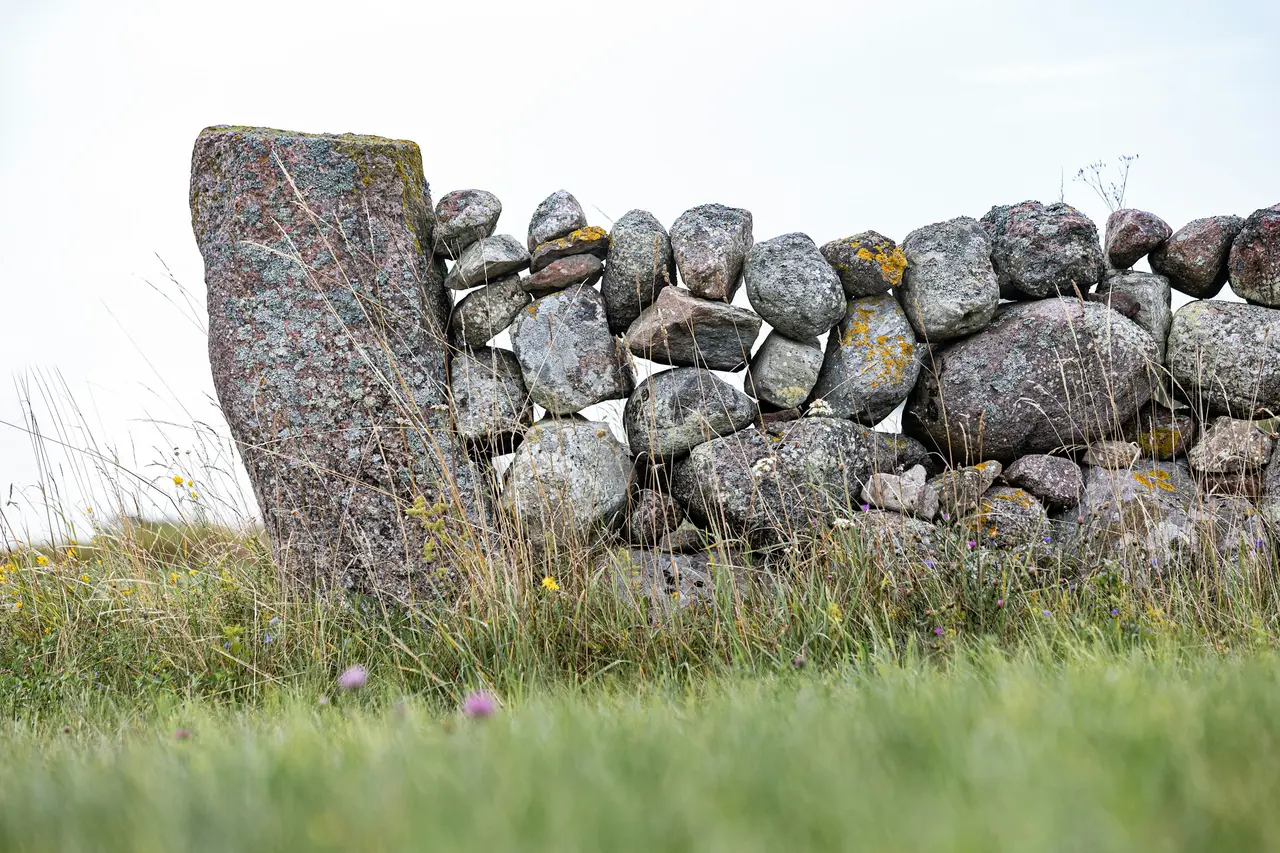
Walk through any village in the Eden Valley and most of the houses you pass are solid stone, built long before cavity walls and damp-proof courses. Those walls work on a simple principle: they get wet when it rains, and they dry out again through the joints. The lime mortar between the stones is softer and more porous than the stone itself, so moisture moves out through the mortar - not through the stone.
What cement does to a stone wall
Cement mortar turns that principle on its head. It is harder and less breathable than the stone around it, so moisture that would have escaped through the joints gets trapped in the wall and forced out through the face of the stone instead. Over a few Cumbrian winters that means:
- Spalling - the face of the stone flaking and crumbling away as trapped moisture freezes
- Persistent damp patches on inside walls that no amount of redecorating fixes
- Cement joints cracking away from the stone, letting water in but not out
How to spot it on your own house
Look closely at the joints. Cement pointing is usually grey, hard-edged and often stands proud of the stone in a raised “strap” profile. Lime mortar is softer in colour - cream to buff - and sits back from the face of the stone. If the stone faces are flaking while the joints look untouched, that is the classic sign the mortar is harder than the wall.
Rule of thumb: the mortar should always be softer than the stone. Mortar is meant to be the sacrificial part of the wall - easy and cheap to renew every few decades, unlike the stone.
What hot lime pointing involves
Hot-mixed lime mortar is made by slaking quicklime with sand and water as the mortar is mixed - the traditional method used when these houses were built. The old cement or failed mortar is raked out by hand to a sound depth, the joints are dampened, and the hot-mixed mortar is packed in and finished flush or slightly back from the stone face. It cures slowly, so timing matters: spring to early autumn is the season for it in Cumbria, and fresh work needs protecting from rain and frost.
A stone wall pointed in lime looks after itself for decades. A stone wall pointed in cement is quietly storing up a repair bill.
The result is a wall that breathes again. Damp problems that seemed mysterious often clear up on their own once the wall can dry naturally, and the pointing itself weathers gently rather than cracking. If you are unsure what is on your walls, the hot lime pointing page explains what an assessment involves - or send a photo of your joints on WhatsApp and Dave will tell you what you are looking at.
Need a hand with it?
Dave covers the whole of Cumbria and will tell you honestly what your job needs - free quote, no obligation.
Call 07585 802940